
Jobs & Economic Impact
Aggregates and concrete are more than construction materials. They're a $10-billion engine underpinning the Texas economy.
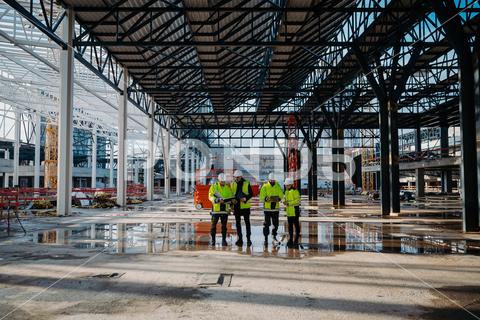
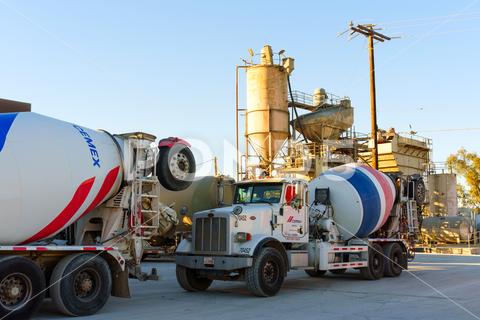
The industry supports more than 100,000 Texas jobs and enables affordable infrastructure across the state. The scale is hard to overstate: more than $10 billion in annual economic activity, over 300 million tons of aggregates produced every year, and more than 16% of the entire U.S. ready-mix concrete supply. Texas leads the nation.
Good jobs, built to last
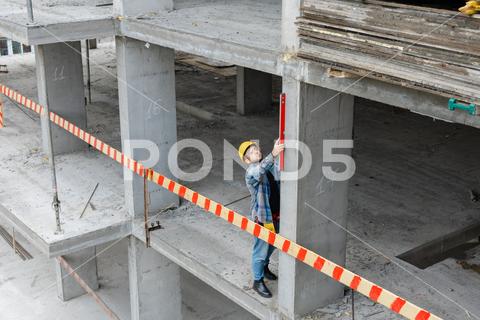

Cannot Be Automated
These careers require real-world judgment that AI cannot replicate.

Real Skills, Real Impact
Hands-on work, critical thinking, and local community impact.
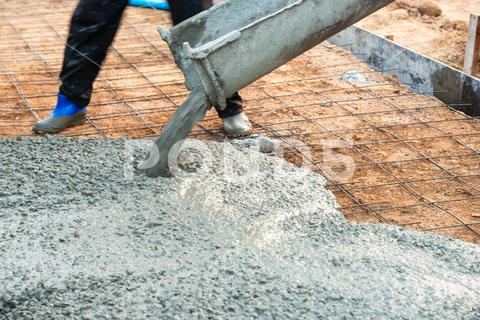
Cannot Be Outsourced
Materials are sourced regionally and projects must be built locally — these jobs stay here.
This is a foundational part of local economies across Texas. It supports good-paying, middle-class jobs, keeps dollars circulating close to home, and strengthens the local tax base. It builds more than infrastructure — it builds strong futures for Texas families. Many of these careers don't require a four-year degree, and they sit alongside high-paying, skilled work in engineering, geology, and other STEM fields.
The pay reflects it. Jobs range from $50,000 to $90,000, with advancement leading to six-figure earnings. The work is hands-on, demands real skill, and makes a real impact — which is exactly why it's immune to AI disruption. These are real-world careers that build, maintain, and protect our communities, and they can't be automated. They can't be outsourced either: because materials must be sourced within about 50 miles of where they're used, the jobs stay here. Local materials. Local jobs.
A wide array of high-paying careers
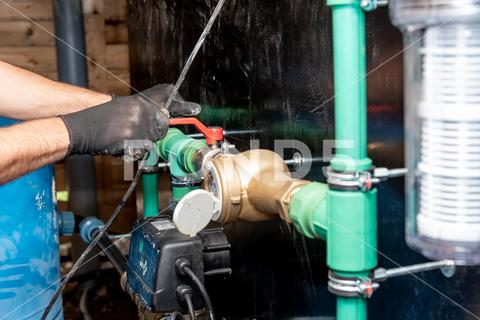
Skilled Trades
Equipment operators, maintenance technicians, plant mechanics
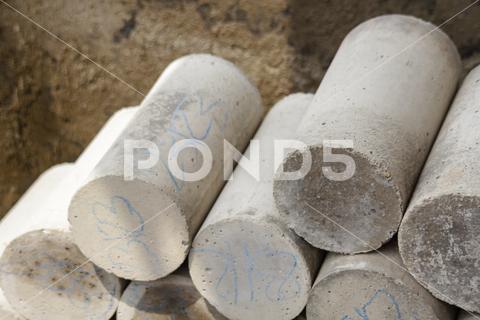
Technical Experts
Lab technicians, quality control, surveyors, environmental specialists

Engineers & Scientists
Civil engineers, geologists, materials scientists

Operations & Management
Supervisors, managers, logistics professionals

Support Professionals
HR, finance, IT, safety, administrative
From the quarry floor to the front office, there's a place for nearly every background and skill set. Skilled trades fill the equipment operator, maintenance technician, and plant mechanic roles. Technical experts handle lab work, quality control, surveying, and environmental compliance. Engineers and scientists bring in civil engineers, geologists, materials scientists, and researchers. Operations and management run on supervisors, managers, logistics professionals, and plant leaders. And support professionals cover HR, finance, IT, safety, and administration.
One job. A ripple across the community.

Every $1 in wages earned in the aggregates industry generates $4.95 in other local sectors.
No job here stands alone. Every single job in the aggregates industry supports nearly six more in the local economy. Every dollar paid in wages creates another $4.95 of earnings in other sectors. That money lands where it matters most — retail and services, housing, restaurants, education, and healthcare.
Affordability starts with local access
There's a reason all of this stays close to home. Transportation can drive up to 70% of the total cost of materials. Aggregate deposits are limited and fixed in place, so local access is what keeps roads, homes, schools, and hospitals affordable for Texas families and taxpayers. It works like a chain. Affordable, locally sourced materials lower construction costs. Lower costs keep projects on budget and on schedule. That makes homes, schools, roads, and services more affordable for families. And that builds stronger communities — more investment, more jobs, a higher quality of life. Affordable materials. Affordable communities. That's how Texas thrives.
Download the Affordable Materials one-pager (PDF)